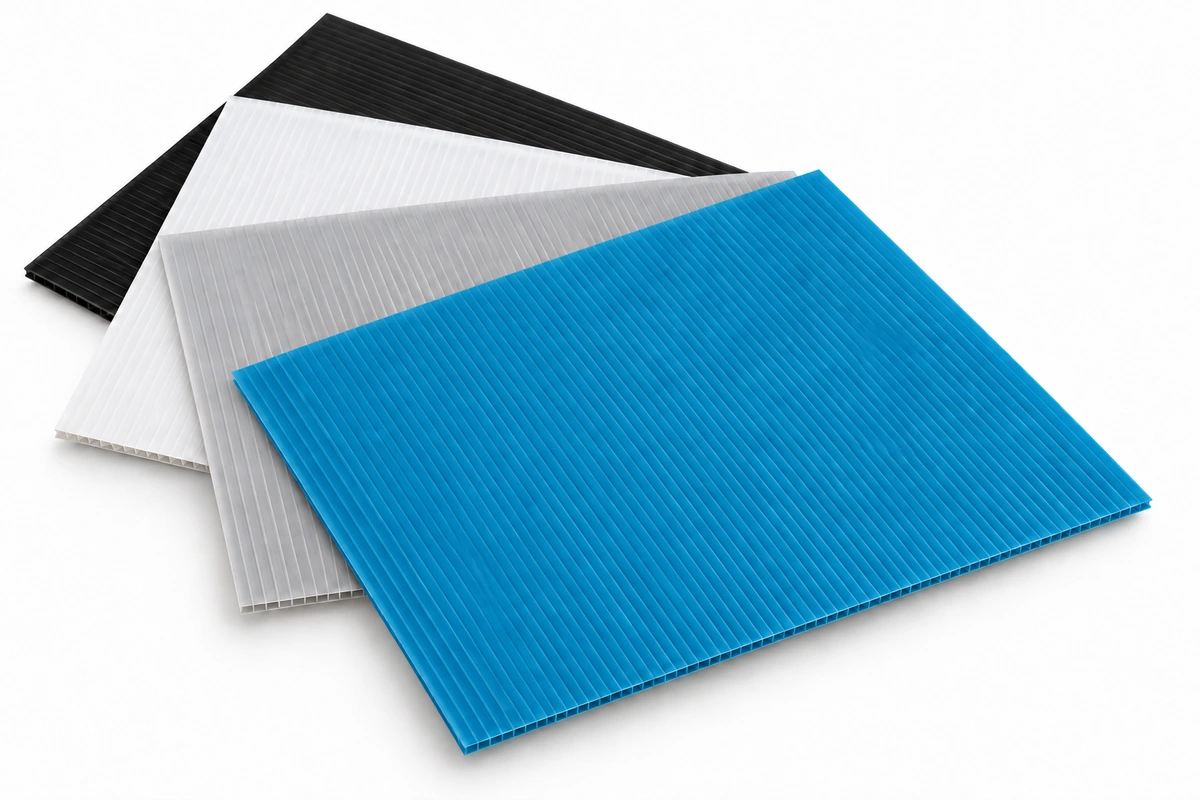
H-Line Corrugated Sheets
Twin-wall corrugated polypropylene sheet for packaging, protection and print applications.
Explore product ↗
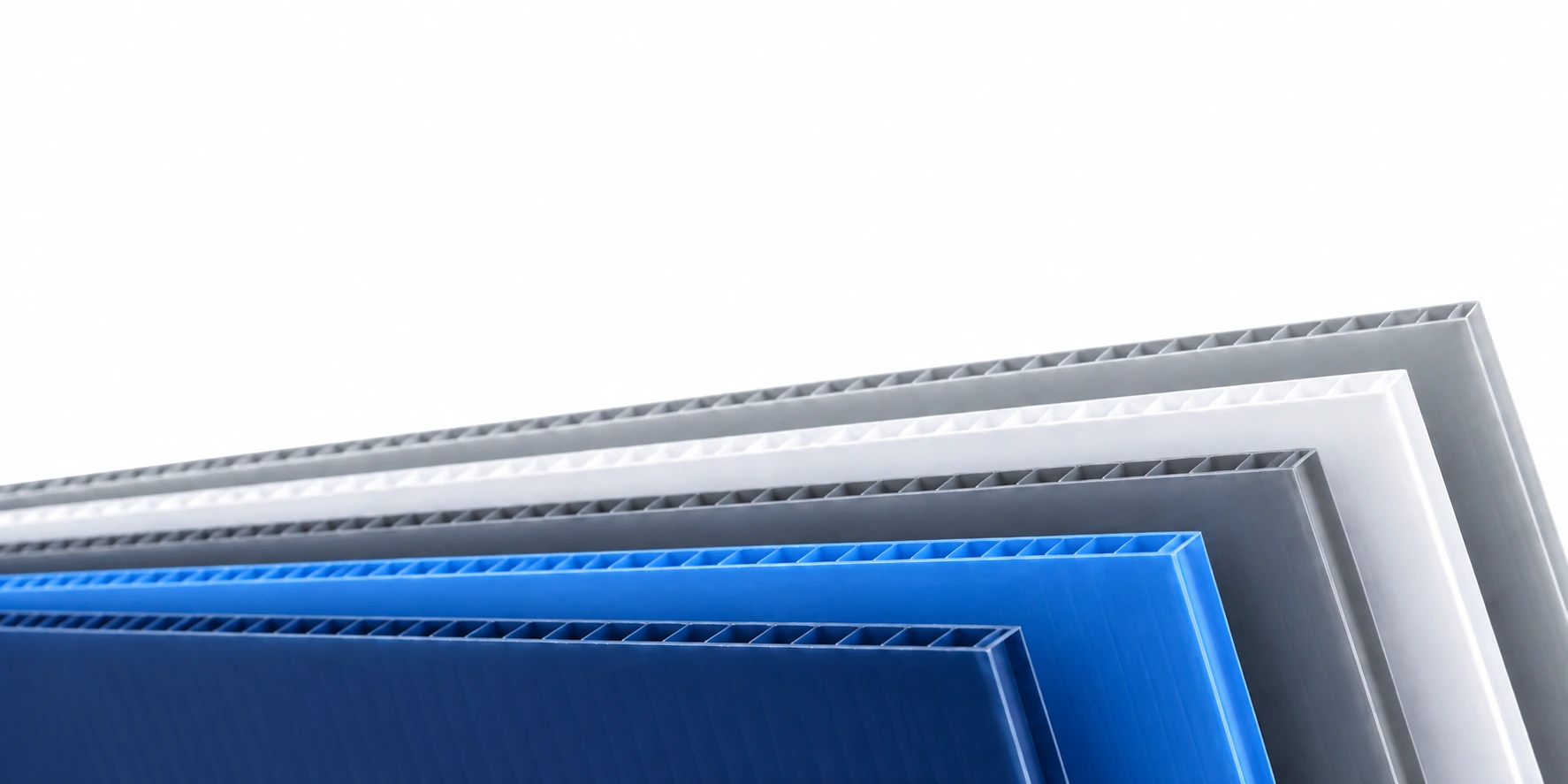
Lightweight, durable corrugated polypropylene sheets for packaging, printing and industrial protection. Manufactured in Türkiye, designed around your application.
 Lightweight & durable
 Water & moisture resistant
 Reusable
 Recyclable
Different structures. A shared approach:
lightweight, durable and versatile.
Twin-wall corrugated polypropylene sheet for packaging, protection and print applications.
Explore product ↗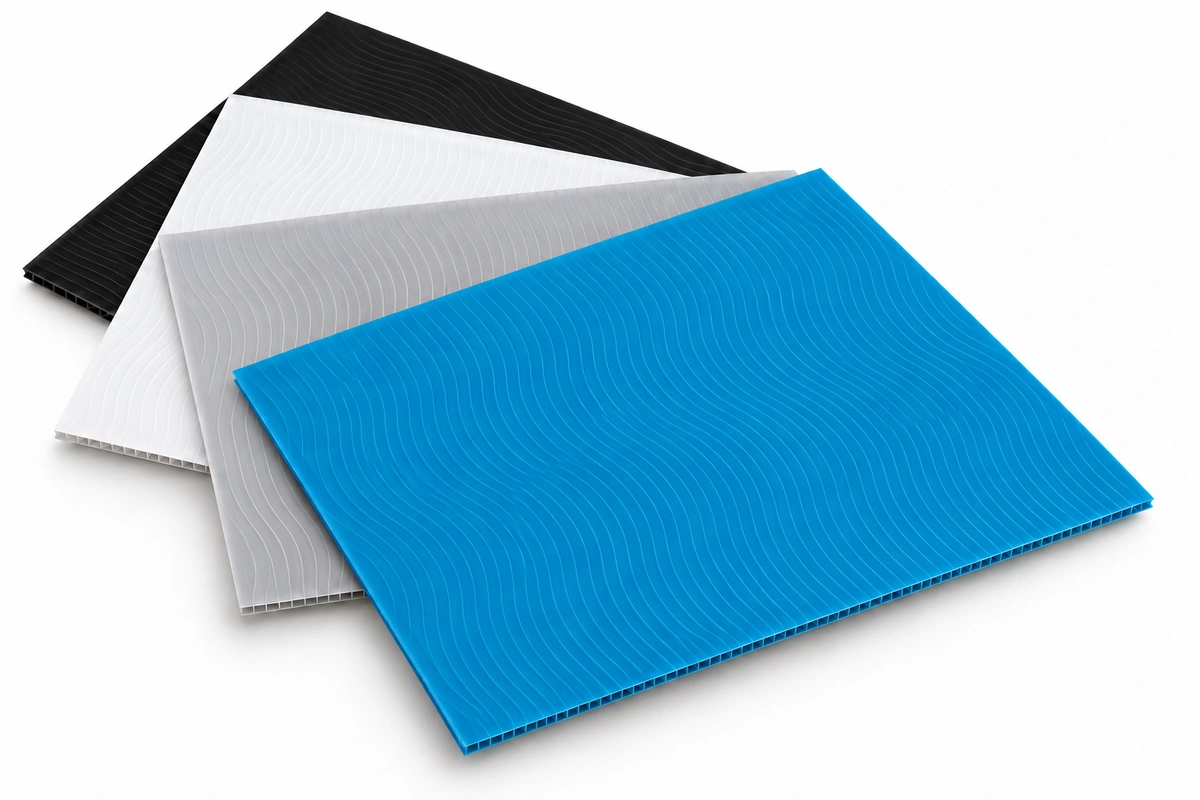
Corrugated polypropylene sheet with an S-shaped flute profile for packaging and industrial applications.
Explore product ↗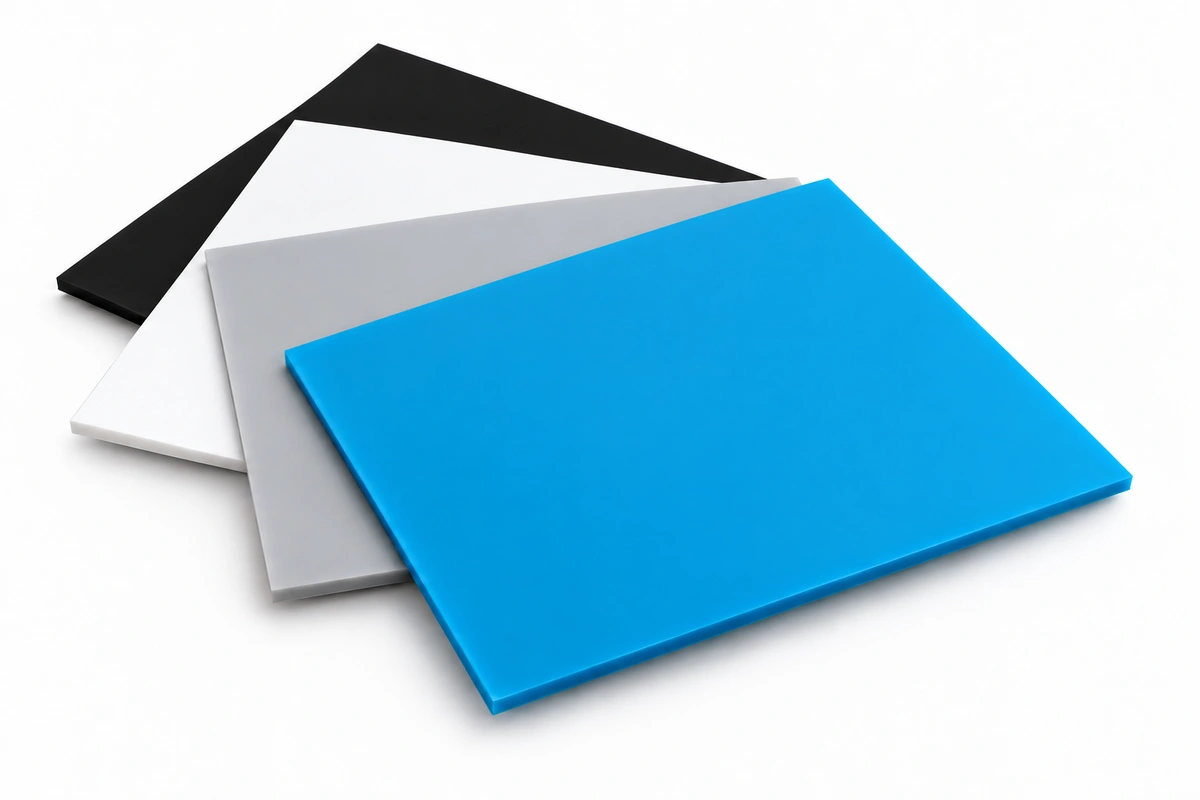
Solid polypropylene sheet with a dense, channel-free structure for fabrication and protective applications.
Explore product ↗S-Line offers a more balanced directional response.
| Characteristic | H-Line | S-Line |
|---|---|---|
| Flute structure | Straight, parallel flutes | S-shaped flutes |
| Stronger direction | Along the flutes | Along the flutes |
| Transverse strength | Lower relative to the flute direction | Increased transverse contribution |
| Directional balance | A larger gap between directions | A smaller gap between directions |
Directional behaviour is shown schematically. Actual performance depends on sheet specification and test method.
| Thickness mm | Available weights g/m² |
|---|---|
| 2.0 |
|
| 2.5 |
|
| 3.0 |
|
| 3.5 |
|
| 4.0 |
|
| Thickness mm | Available weights g/m² |
|---|---|
| 4.5 |
|
| 5.0 |
|
| 6.0 |
|
| 8.0 |
|
| 10.0 |
|
Match the surface and functionality of your corrugated sheets to the way they are printed, handled and used.
Explore the practical differences between corrugated PP, cardboard and injection-moulded packaging.
| Consideration | RÖPLAST SHEETSCorrugated PP | Corrugated paperCardboard | Injection-mouldedPlastic packaging |
|---|---|---|---|
| Project development | Quick prototyping with relatively low tooling costs. | Quick prototyping with relatively low tooling costs. | Dedicated moulds usually require higher initial investment. |
| Durability & strength | Lightweight, with good tear and puncture resistance. | Can tear or puncture; strength depends on board construction. | Rigid structure; weight and impact resistance depend on resin and design. |
| Cleanliness | Non-fibrous surfaces can be washed and reused. | May release paper fibres; limited suitability for wet cleaning. | Non-fibrous surfaces can generally be washed and reused. |
| Cost over repeated use | Repeated use can reduce the packaging cost per trip. | Often economical for single trips; repeated replacement adds cost. | Repeated use can offset higher initial and tooling costs. |
| Lead time | Fast cutting and converting once the sheet specification is agreed. | Fast cutting and converting once the board specification is agreed. | New products need time for mould design, manufacture and validation. |
| Waste & recycling | Reusable; PP recycling depends on collection and material condition. | Recyclable where accepted; frequent replacement creates ongoing waste. | Reusable; recycling depends on resin, additives and local collection. |
| Customisation | Readily cut, folded and printed for application-specific formats. | Readily cut, folded and printed for application-specific formats. | Changes in shape may require mould modifications or new tooling. |
| Operational continuity | Durable returnable packs can reduce replacement-related interruptions. | Damaged or wet packs may need replacement during handling. | Durable returnable packs support repeated handling; damage still requires replacement. |
| Moisture resistance | Non-absorbent PP supports use in wet or humid environments. | Uncoated board can lose strength when wet; coatings alter performance. | Generally moisture-resistant; performance depends on the selected resin. |
| Colour options | A range of sheet colours; custom colours can be specified. | Common kraft or white bases, with printed colour options. | Colours can be specified; availability depends on resin and production batch. |
Indicative comparison for packaging applications. Results vary with material grade, design, quantity and conditions of use.
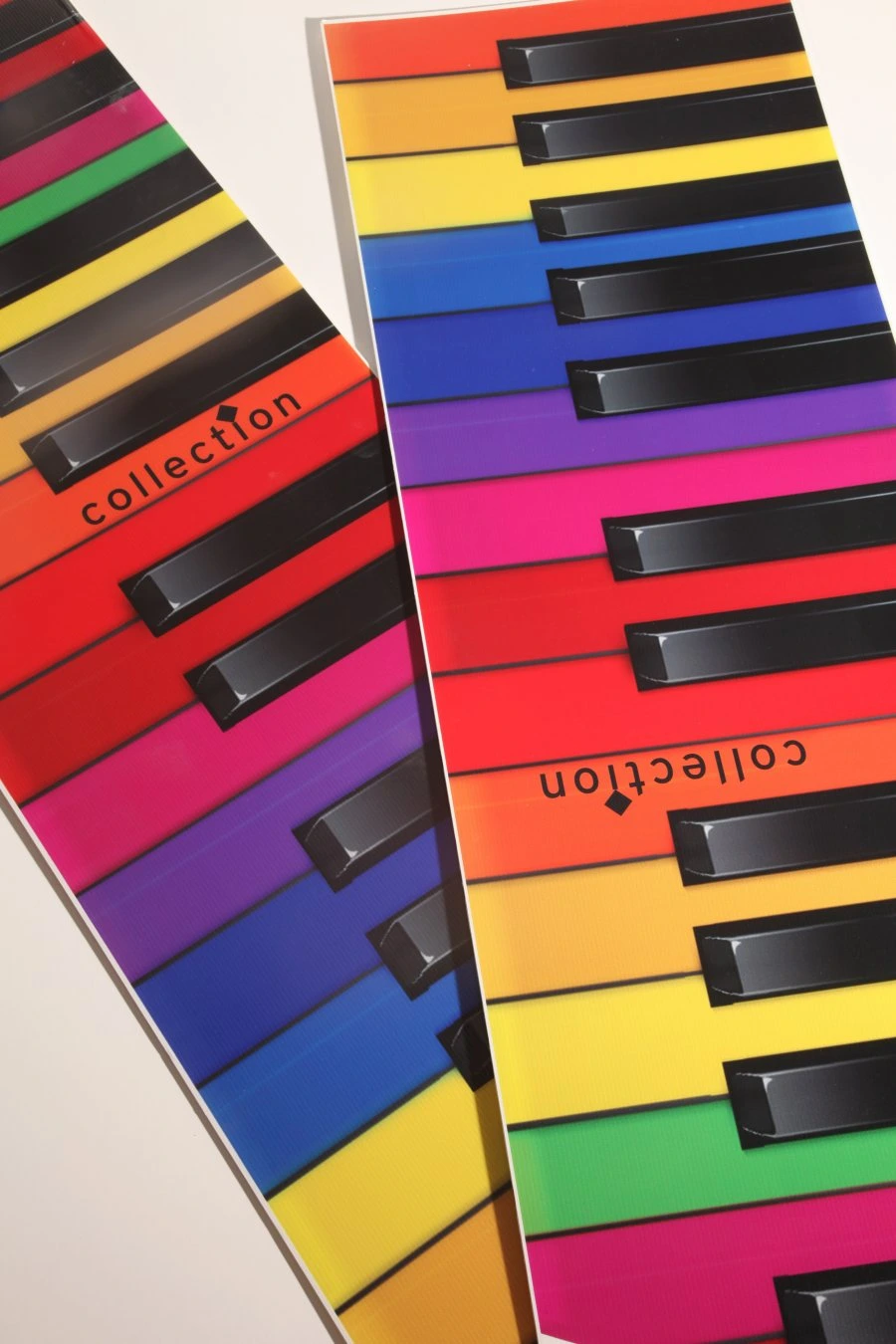
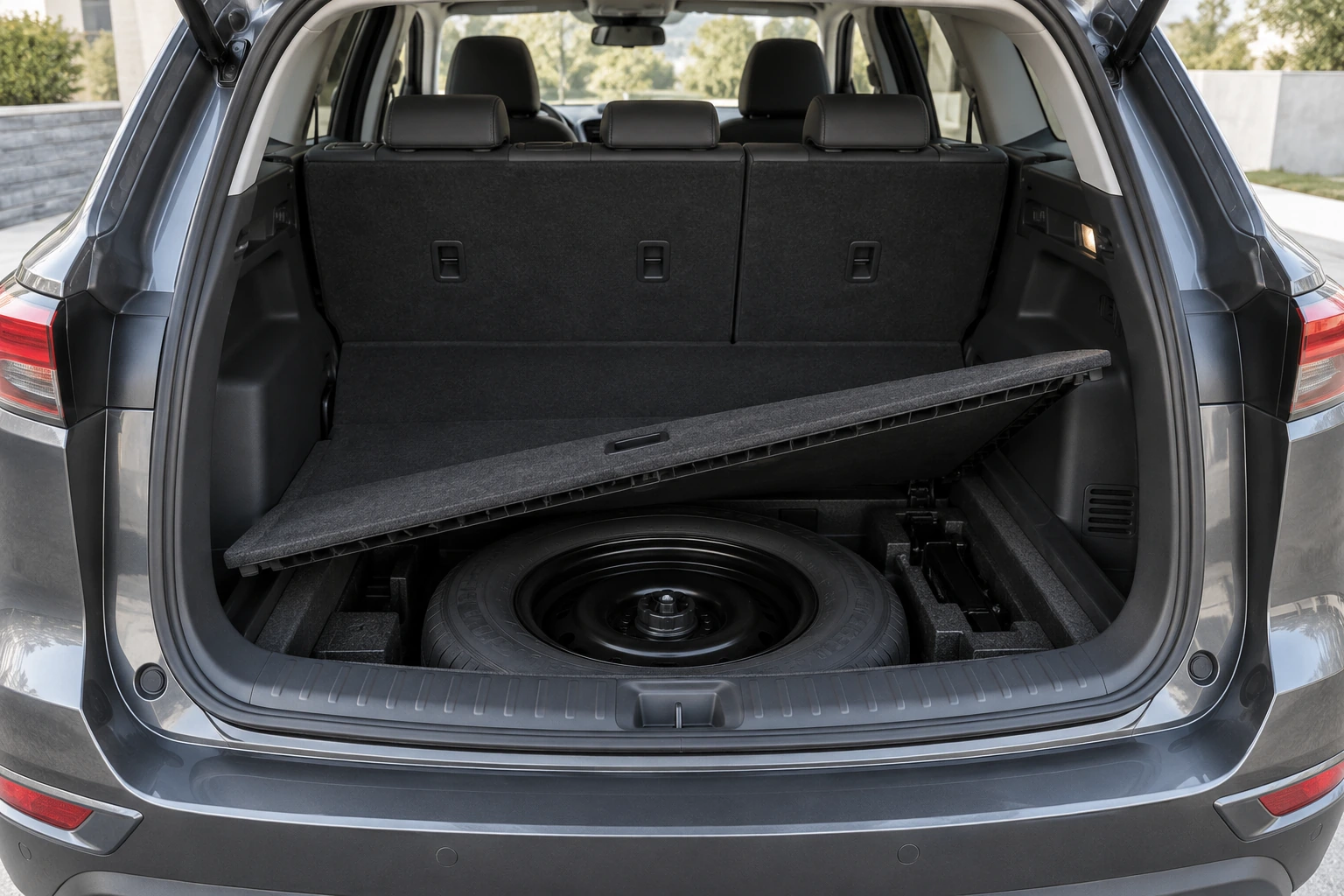
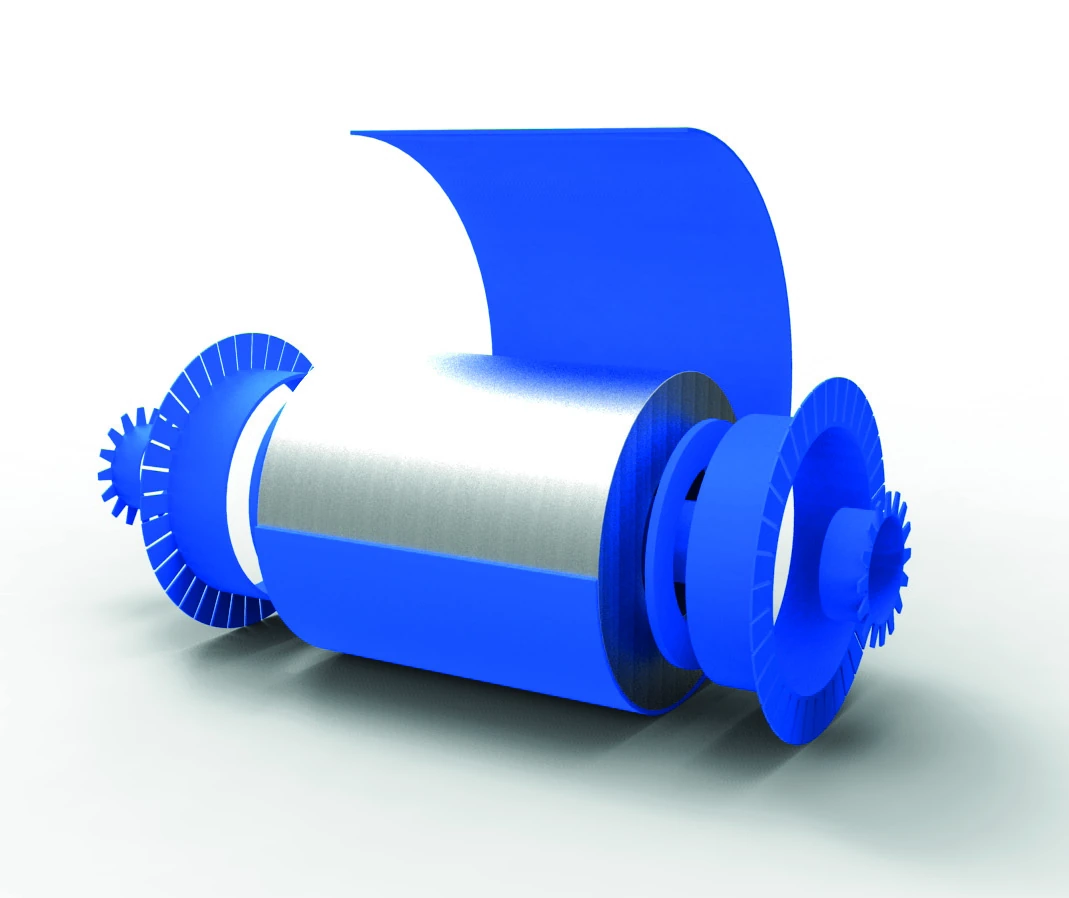
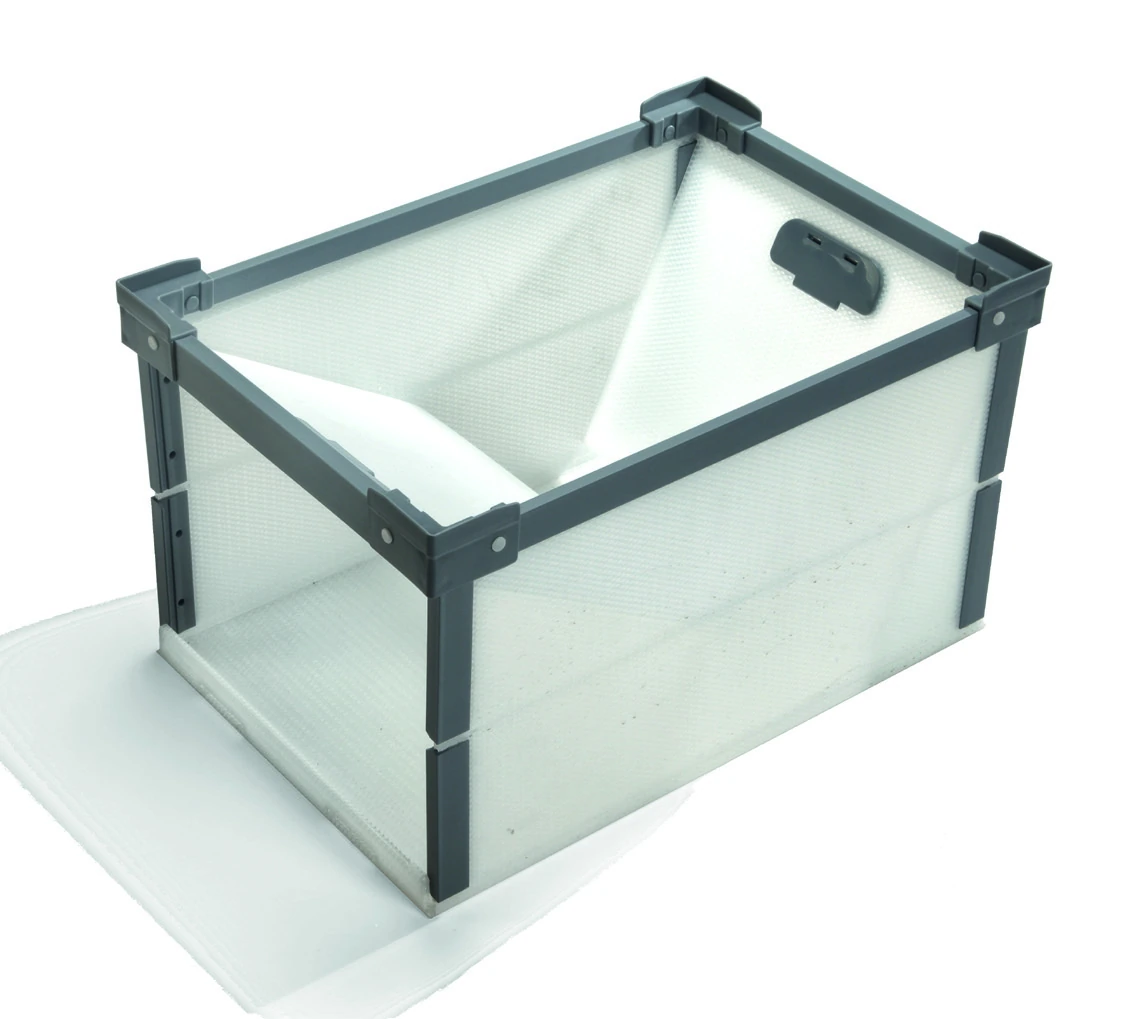
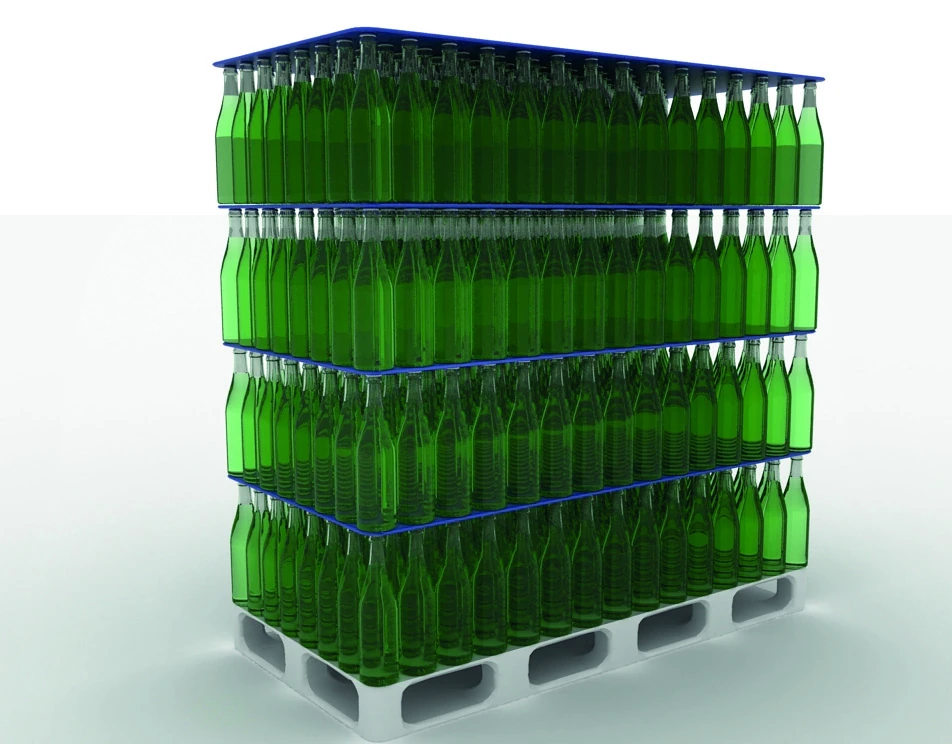
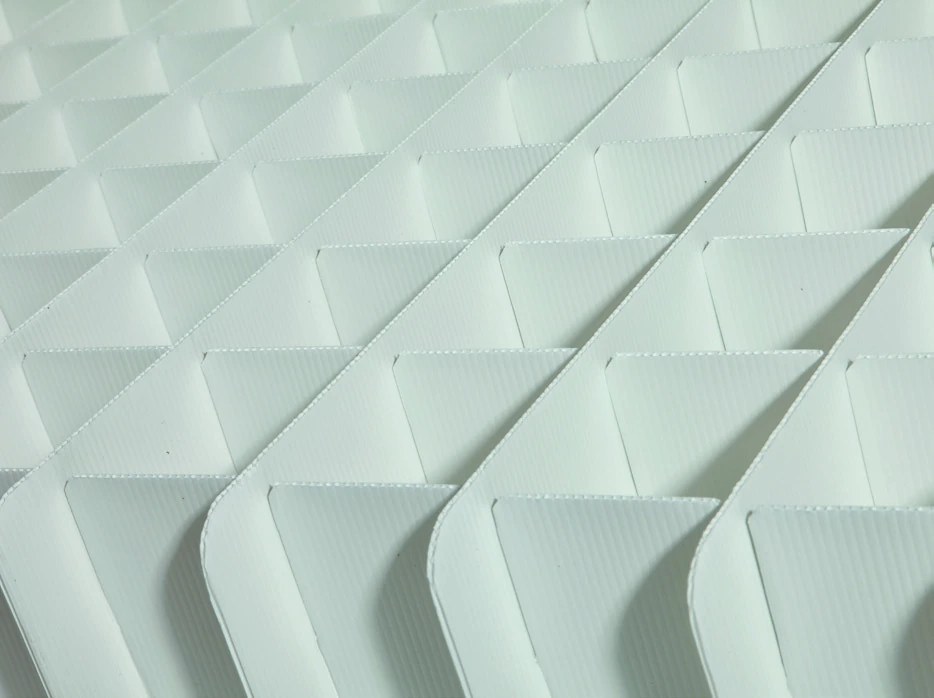
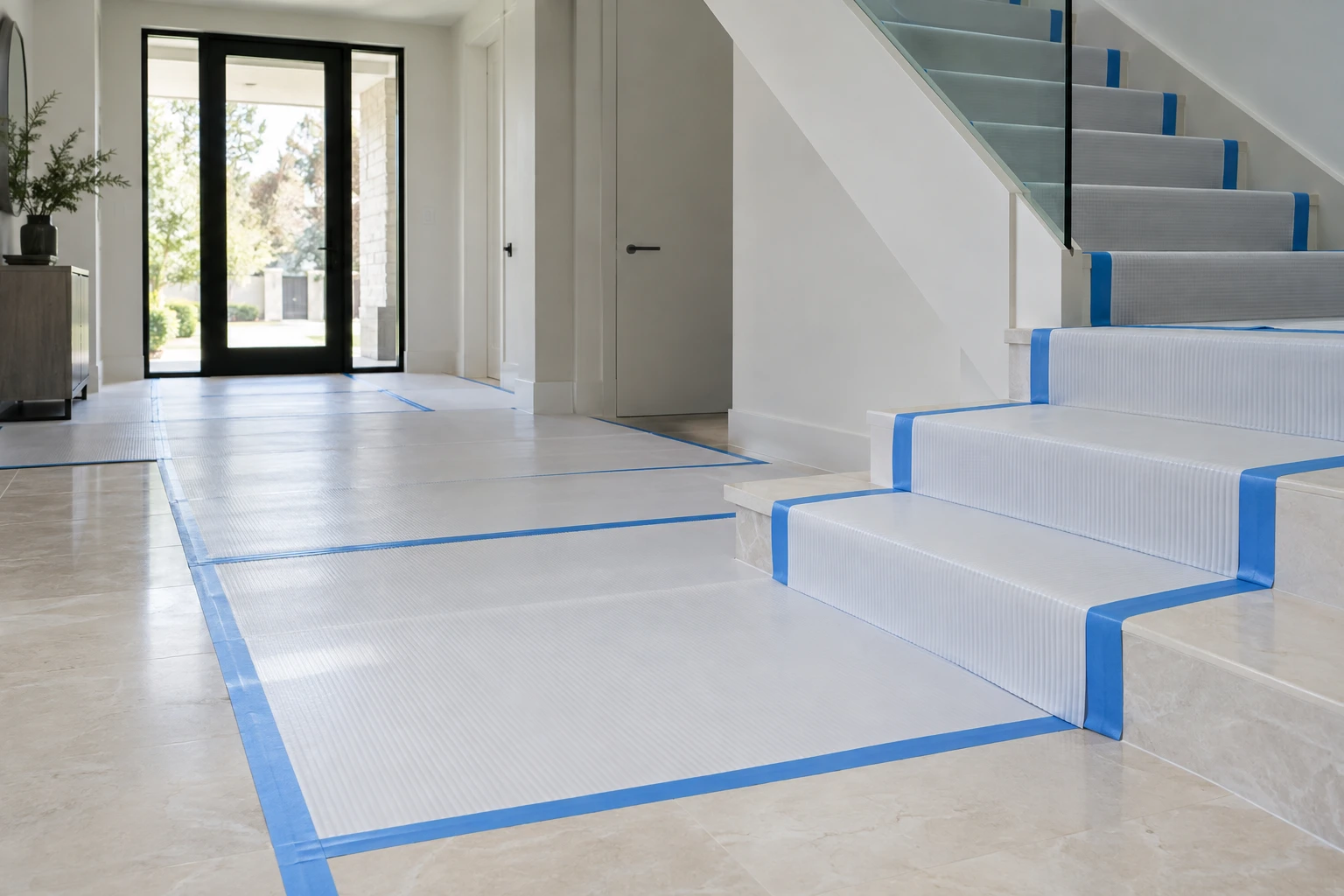
Durable polypropylene sheets support repeated use in packaging and industrial applications. Designing for reuse helps make more of the material we use.
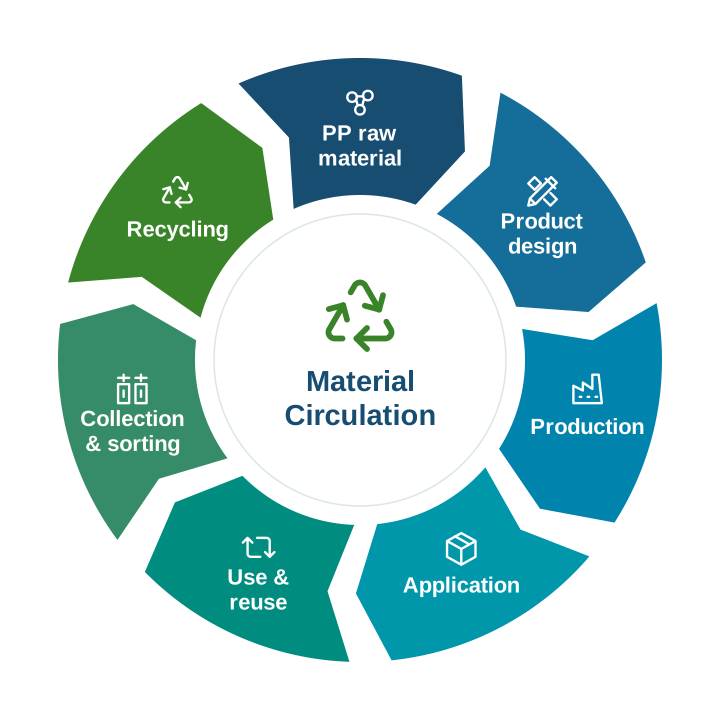
At the end of their useful life, suitable PP products can be collected, sorted and recycled where appropriate facilities are available.
Digital quality management
European conformity marking
Sales Office
Joan Muyskenweg 30Manufacturing Operations
Organized Industrial Zone, 3rd Avenue, No: 1Sales Office
Barbaros Mah. Kardelen Sok.